
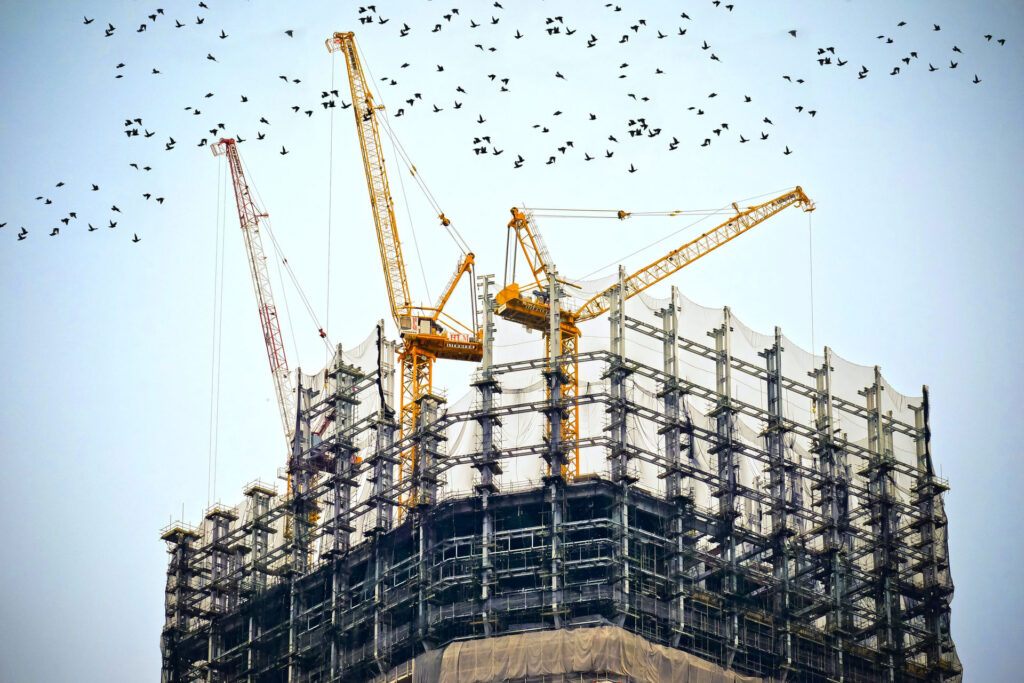
In Kenya, the dream of “bricks and mortar”—be it a family home in Syokimau or a commercial hub in Upper Hill—is a significant milestone. However, transforming a vacant shamba into a standing structure is a complex marathon, not a sprint.
In the Kenyan context, the process is governed by specific regulatory bodies like the National Construction Authority (NCA) and the National Environment Management Authority (NEMA). Here are the critical stages of a construction project.
1. Inception and Feasibility
Every project begins with a vision. At this stage, the developer (client) defines the project’s purpose and budget. In Kenya, this often involves:
- Site Appraisal: Verifying the land’s title deed at the Ministry of Lands.
- Feasibility Study: Determining if the project is viable given the local market and zoning regulations (e.g., you can’t build a 10-story apartment in a zone restricted to single-dwelling units).
2. Design and Planning
Once the vision is clear, the Architect takes center stage. They translate ideas into blueprints. This stage is iterative and involves a team of consultants:
- Architect: Leads the design.
- Quantity Surveyor (QS): Prepares the Bill of Quantities (BQ), which estimates the total cost of materials and labor.
- Engineers: Structural, Civil, and MEP (Mechanical, Electrical, and Plumbing) engineers ensure the building is safe and functional.
3. Statutory Approvals
Before the first shovel hits the ground, you must navigate the “paperwork marathon.” In Kenya, missing this step leads to the dreaded “X” mark from the S.C.M.C (Nairobi’s Sub-County Management Committee) or other county authorities.
- County Government: Approval of architectural and structural plans.
- NEMA: An Environmental Impact Assessment (EIA) to ensure the project doesn’t harm the ecosystem.
- NCA: All projects must be registered with the NCA to ensure they are handled by qualified professionals.
4. Procurement and Tendering
This is where you find your builder. The developer can either use an “open tender” or invite specific contractors to bid. The goal is to select a contractor who is registered with the NCA (categories range from NCA 1 to NCA 8) and fits the budget.
5. Construction (The Mjengo Phase)
This is the physical execution of the project. It is usually divided into:
- Substructure: Clearing the site, excavation, and laying the foundation.
- Superstructure: Walling, roofing, and structural frames.
- Finishes: Tiling, painting, plumbing fixtures, and electrical installations.
Note: During this phase, the Architect and Engineers conduct regular site visits to ensure the contractor is following the approved blueprints and using the right mix of concrete.
6. Commissioning and Handover
Once the building is “practically complete,” the consultants inspect the work.
- Defects Liability Period: Usually a 6-month period where the contractor is responsible for fixing any issues (like roof leaks or cracks) that arise.
- Occupation Certificate: The County Government issues this after a final inspection, officially declaring the building fit for human habitation.
Summary of Key Professionals
| Professional | Core Responsibility |
| Architect | Design, aesthetics, and project lead. |
| Quantity Surveyor | Cost management and BQ preparation. |
| Structural Engineer | Stability and strength of the building. |
| Contractor | Physical execution and labor management. |
Understanding these stages helps avoid the “shortcuts” that often lead to stalled projects or, worse, structural failures. In Kenya, patience with the process is the surest way to build a legacy that lasts.